Quick Answer
Welcome to our comprehensive guide on emergency electrician: when to call one. This article provides expert insights and practical advice for 2026.Whether you're just getting started or looking for advanced tips, we've got you covered with detailed UK-focused recommendations....
Key Information
- Last Updated:
- 27 Aug 2026
- Category:
- Electrical Services
- Reading Time:
- 1 min read
Welcome to our comprehensive guide on emergency electrician: when to call one. This article provides expert insights and practical advice for 2026.
Whether you're just getting started or looking for advanced tips, we've got you covered with detailed UK-focused recommendations.
Leave a Comment
Share your experience or ask a question about this article.
I'm curious about your mention of '2026' in relation to emergency electricians. Could you clarify what makes this advice particularly relevant for that year?
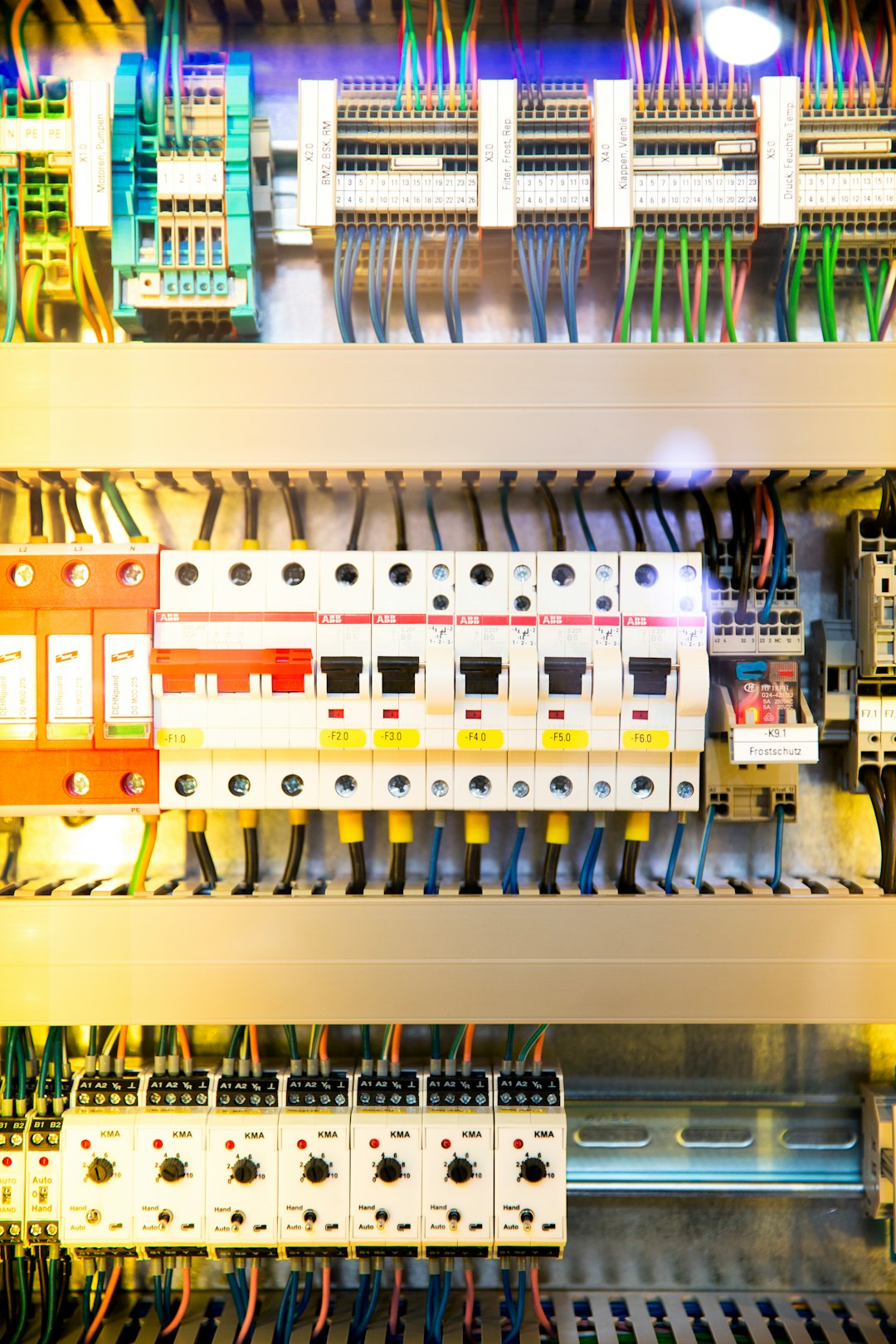
Always ensure your fuse box has safety covers; if it's exposed during an emergency, you could inadvertently cause more damage. A qualified 24/7 emergency electrician can swiftly replace faulty parts and keep your home safe.
Just moved to Bristol, found this guide really helpful. As a new homeowner, it's great to know when to call out an emergency electrician.
Remember, always check your fuse box first. If you're unsure about any symptoms mentioned here, err on the side of caution and call a professional.
Just moved into a new place in London. Any tips on what to look out for before I need to call that emergency electrician? Cheers!
I've found your guide on emergency electricians invaluable. One tip for 2026's smart homeowners: ensure you know your fuse board layout before a power cut, it could save crucial minutes.
As an emergency electrician myself, I'd add that it's crucial to check your fuse box first. If you're unsure, don't hesitate to call. Safety first!
Interesting piece, but could you clarify what makes 2026 UK-focused recommendations 'advanced'? Is there a significant change expected by then?
Useful guide indeed. As an additional note, remember that RCDs tripping aren't always emergencies, but any sparking, burning smells, or damaged cables definitely warrant a call to your emergency electrician.
As a homeowner in Birmingham, I found this guide invaluable. It's reassuring to know exactly when to call an emergency electrician, especially with our old Victorian wiring!
I appreciate this guide's UK focus for 2026, but could you clarify when exactly it's deemed 'an emergency' needing an immediate call vs a less urgent issue? That'd make the advice even more practical.
A must-read for any DIY electrician. Remember, always check your RCDs aren't tripping before calling out an emergency electrician - it could save you a call-out fee!
Always ensure the main switch is in the off position before calling. Safety first!
I've found it's crucial to know your home's fuse box rating. If you're experiencing frequent trips, even with no obvious fault, it might be that you're exceeding its capacity – time to call an emergency electrician.
Living in Manchester, I've learned the hard way about the dangers of DIY electrics. This guide is a lifesaver – finally, a clear UK-focused breakdown of when to call an emergency electrician!
I'm a Newcastle homeowner who recently had to call out an emergency electrician after a storm. This guide would've been a godsend then - thanks for sharing!
I've always wondered, what exactly constitutes an 'emergency' in electrical terms? Should I panic if my lights flicker randomly? Hoping to learn more!
Hey there! Just moved into a new place and I'm a bit worried about the wiring. Should I call out an emergency electrician just to check everything's safe? Thanks for the guide, it's really helpful!
I'm glad I found this guide! I've just moved into my first flat, so knowing when to call out for emergency electrical help is really reassuring. Cheers!
I'd add that if you're dealing with a complete power loss and it's a cold night in the UK, prioritise calling out an emergency electrician to avoid potential pipe-freezing issues.
Remember, safety first. If you smell burning plastic or hear crackling sounds, don't hesitate to call. It could indicate arcing, which is extremely dangerous.
I appreciate this guide's emphasis on UK-specific regulations. A quick note, always ensure your chosen emergency electrician is NICIEC registered for peace of mind.
I appreciate this guide, but I'm still unsure about when to call an emergency electrician versus waiting for a regular appointment. Could you provide more clarity on this?
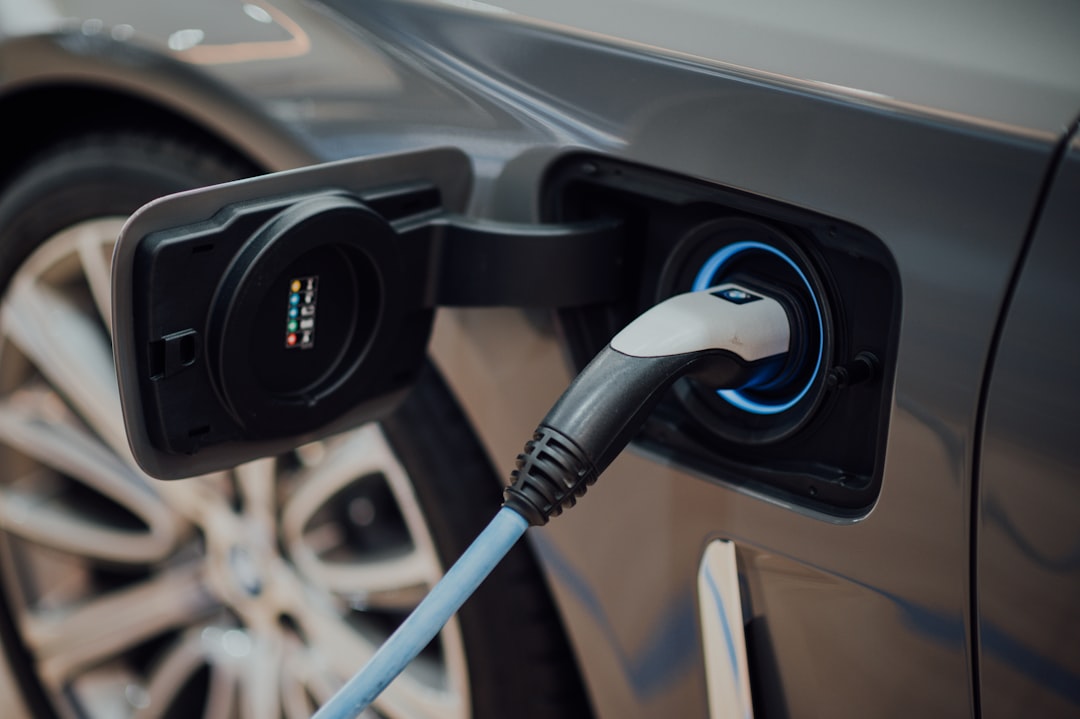
Remember, an emergency electrician isn't just for power cuts. In 2026, they're crucial for sudden equipment failures too, like faulty EV chargers.
Useful guide indeed. Just remember, in case of live wires, always prioritise safety first - turn off power at the fuse board before calling out.
I'm glad to see such thorough guidance on when to call an emergency electrician. As a homeowner in Leeds, I've had my fair share of electrical mishaps – this will certainly come in handy!